What is the Difference Between 3D and 4D Printing? Discover the Future of Additive Manufacturing
In the world of technological innovations, 3D printing is already a well-known concept. It has revolutionized the way we design, produce, and even think about objects. But now there is a new technology that goes one step further: 4D printing. You may be wondering what exactly 4D printing is and how it differs from 3D printing. In this blog post we take an in-depth look at these fascinating technologies and their unique properties.
What is 3D Printing?
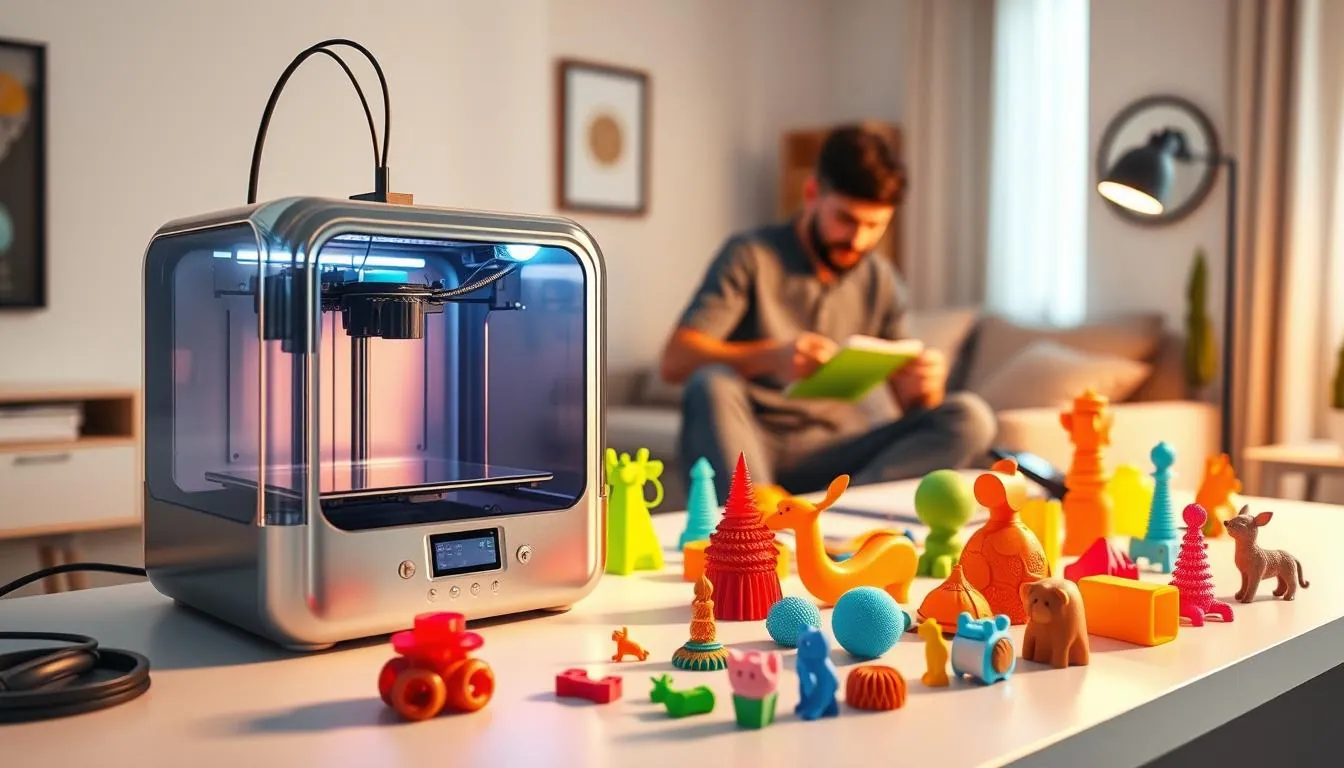
3D printing, also known as additive manufacturing, creates three-dimensional objects by building materials layer by layer. This process is used in various sectors, from aerospace to the medical industry and the consumer market. 3D printing offers unprecedented possibilities for customization, rapid prototyping, and complex structures that are difficult to realize with traditional production methods.
What is 4D Printing?
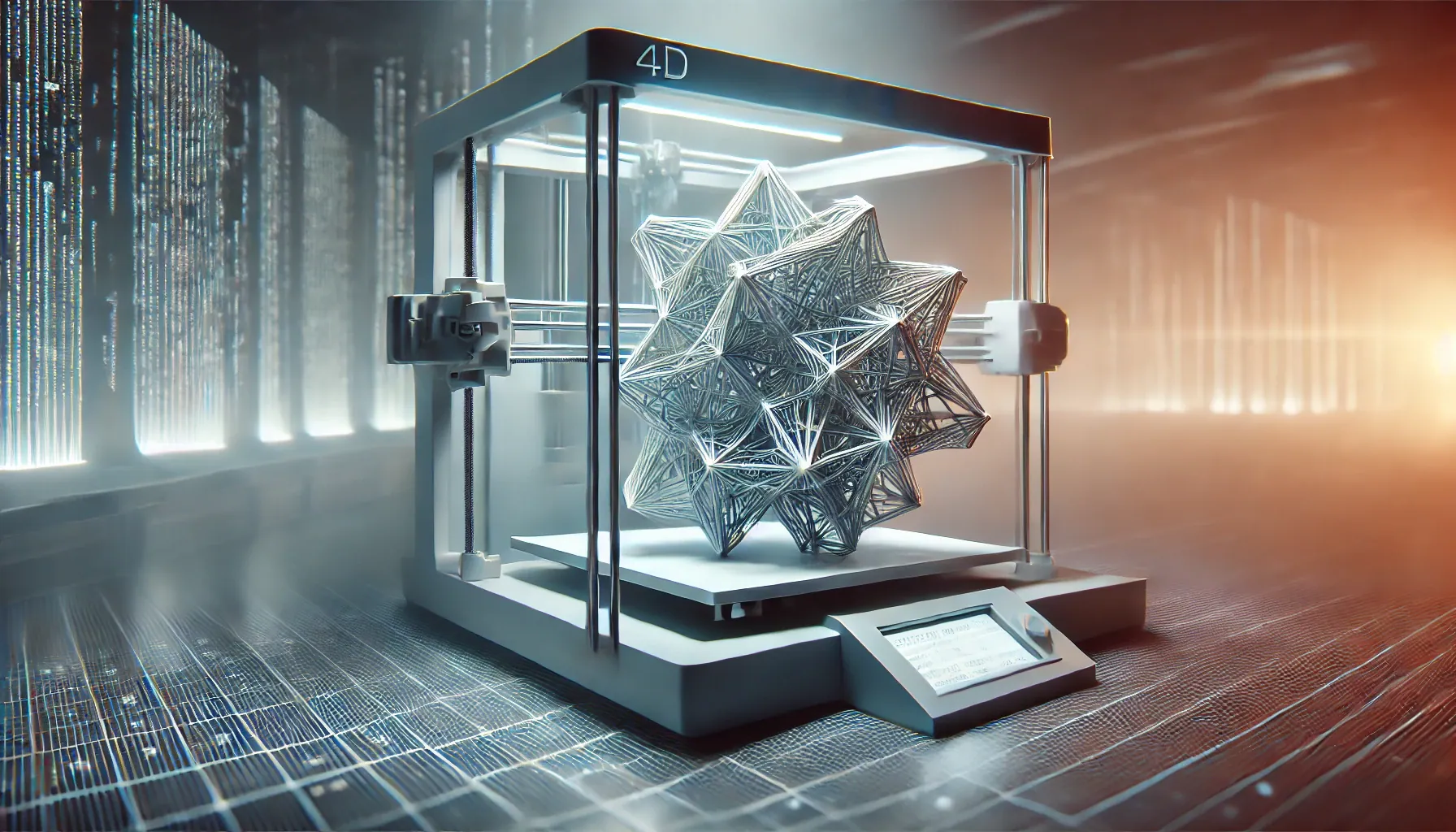
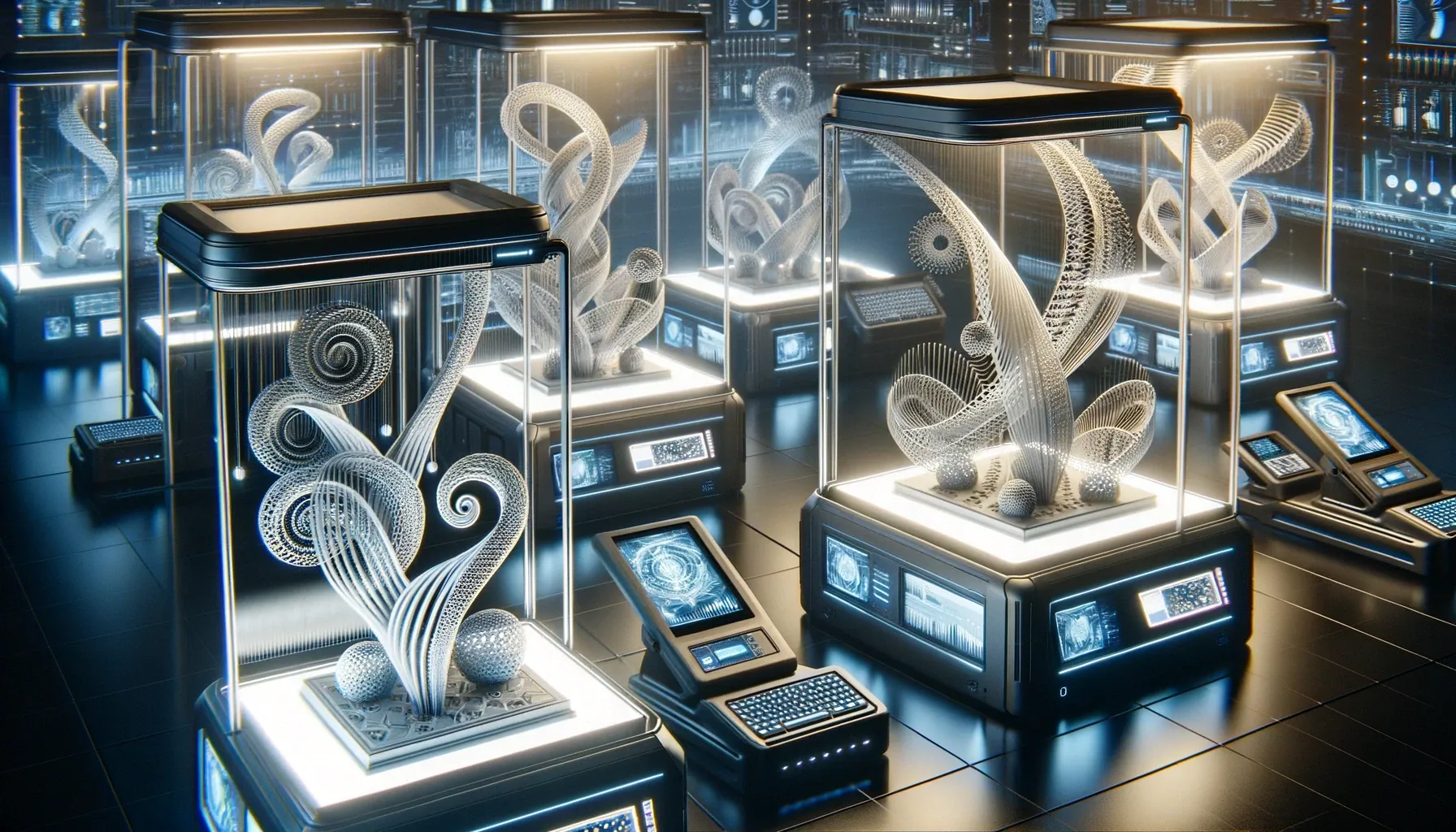
4D printing adds an extra dimension to the 3D printing process: time. This means that 4D printed objects can change their shape or properties after fabrication, usually in response to external stimuli such as heat, light, or humidity. This creates dynamic and adaptive structures that respond to their environment, offering new possibilities for applications in healthcare, architecture, and space travel.
Who Operated 4D Printing?
The term 4D printing was first coined by Skylar Tibbits, a researcher at the MIT Self-Assembly Lab. Tibbits presented the concept of 4D printing in 2013 at a TED conference. His idea was to develop materials that could transform after printing due to external influences, resulting in dynamic and adaptive structures.
Tibbits' work is based on the principles of self-assembly and smart materials. He wanted to create objects that were not only static, as in 3D printing, but that could also respond dynamically to their environment. This concept has since caught the attention of scientists, engineers, and designers around the world, leading to growing interest and further development in the field of 4D printing.
Is This the Same Inventor of 3D Printing?
No, Skylar Tibbits is not the same inventor as the one who invented 3D printing. 3D printing was developed in the 1980s by Charles (Chuck) Hull, an American engineer and inventor. Hull filed a patent for the first 3D printing technology, Stereolithography (SLA), in 1984 and later founded 3D Systems, the world's first 3D printing company.
Although both technologies are related and share the same basic principles of additive manufacturing, they were developed independently by different pioneers in the field. Hull laid the foundation for 3D printing, while Tibbits has further pushed the boundaries of this technology by introducing 4D printing.
When Was 4D Printing Invented?
4D printing was first introduced in 2013 by Skylar Tibbits at a TED conference. This introduction marked the beginning of a new phase in the evolution of additive manufacturing. Although the technology was still in its infancy, the concept of materials that could change their shape or properties in response to external stimuli began to intrigue scientists and engineers.
Since 2013, 4D printing has made significant progress, with research and development taking place in several academic institutions and companies worldwide. The technology has continued to develop thanks to collaboration between materials scientists, engineers, and designers who explore the possibilities of smart materials and self-assembly.
Advantages and Disadvantages of 4D Printing
Like any new technology, 4D printing has both advantages and disadvantages. It is important to understand both aspects to get a full picture of the potential and challenges of 4D printing.
Advantages of 4D Printing
- Adaptive Structures:
- 4D printing makes it possible to create structures that respond to changes in their environment, which is useful for applications in healthcare, architecture, and aerospace. For example, a 4D printed stent can conform to the shape of a blood vessel after implantation.
- Time savings:
- Because 4D printed objects can change their shape after printing, this can lead to significant time savings in assembly and installation phases, especially in construction and production.
- Cost savings:
- By using smart materials and self-assembly, 4D printed structures can reduce the need for complex mechanical systems and additional parts, lowering production costs.
- Innovative Designs:
- 4D printing opens the door to new and innovative designs that were not previously possible, leading to creative and breakthrough products in various industries.
- Environmentally friendly:
- 4D printing can be more environmentally friendly than traditional methods. Smart materials can adapt and repair themselves, extending the life of products and reducing waste.
Disadvantages of 4D Printing
- High Costs:
- The initial costs of 4D printing technology and smart materials can be high, creating a barrier for smaller companies and individuals.
- Complexity:
- Designing and manufacturing 4D printed objects requires in-depth knowledge of materials science and mechanics, which is a barrier to widespread adoption.
- Restricted Materials:
- Although significant progress has been made, the range of available smart materials is still limited, which may limit the applicability of 4D printing in certain sectors.
- Reliability and Durability:
- The reliability and durability of 4D printed objects are still subjects of research. It is crucial to ensure that these structures perform consistently under different conditions and over long periods of time.
- Regulations and Standards:
- The development of new technologies brings regulatory and standards challenges. For 4D printing, many standards and guidelines still need to be established to ensure the safety and quality of products.
What is the Difference Between 3D and 4D Printing?
3D printing creates three-dimensional objects by building materials layer by layer. However, 4D printing adds an extra dimension: time. This means that 4D printed objects can change their shape or properties after fabrication, usually in response to external stimuli such as heat, light, or humidity. These dynamic and adaptive structures offer new possibilities for innovative designs and applications in various industries.
An article by RezScale3D. Discuss the requirements of your own design via our contact page.