3D Scanning and Printing in the Digital World
In today's digital world, 3D scanning and printing have become revolutionary technologies that are drastically changing the way we create and produce objects. Using advanced 3D scanners, physical objects can be captured in great detail and converted into digital models. These models can then be printed with a 3D printer, creating physical objects that previously only existed in the digital world.
The Magic Possibilities of 3D Scanning and Printing
The possibilities of 3D scanning and printing are almost endless. This technology is increasingly being used in various sectors, such as:
- Product development: Rapidly prototyping and testing product designs before mass production.
- Medical field: Creating detailed models of body parts for surgical planning or prosthetics.
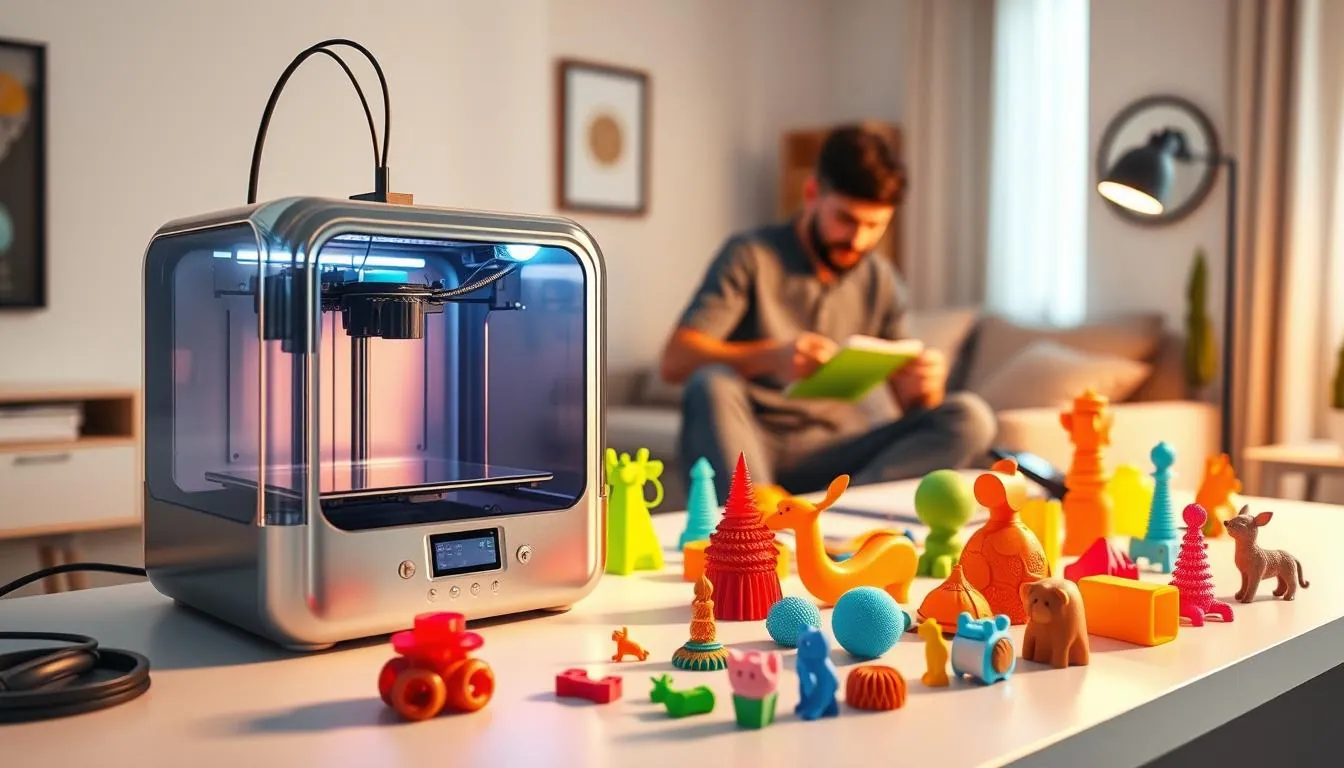
- Art and design: Creating unique and personalized works of art and design objects.
- Heritage Conservation: Digitizing and replicating historical artifacts to preserve and share them with the public.
Whether you are an artist, designer, engineer or hobbyist, the benefits of 3D scanning and printing cannot be ignored. This technology offers a whole new way to explore and create the world around us.
How Does 3D Scanning and Printing Work?
3D scanning begins with placing the object on a turntable or in a scanning room. The scanner then starts scanning the object, capturing the object from different angles. Depending on the complexity of the object and the scanning method used, this process can take several minutes to hours.
There are different types of 3D scanning methods, such as:
- Photogrammetry: Uses multiple photos from different angles to create a 3D model.
- Laser Scanning: Uses lasers to accurately capture the shape of the object.
- X-ray scanning: Used for scanning internal structures of objects, such as bone tissue.
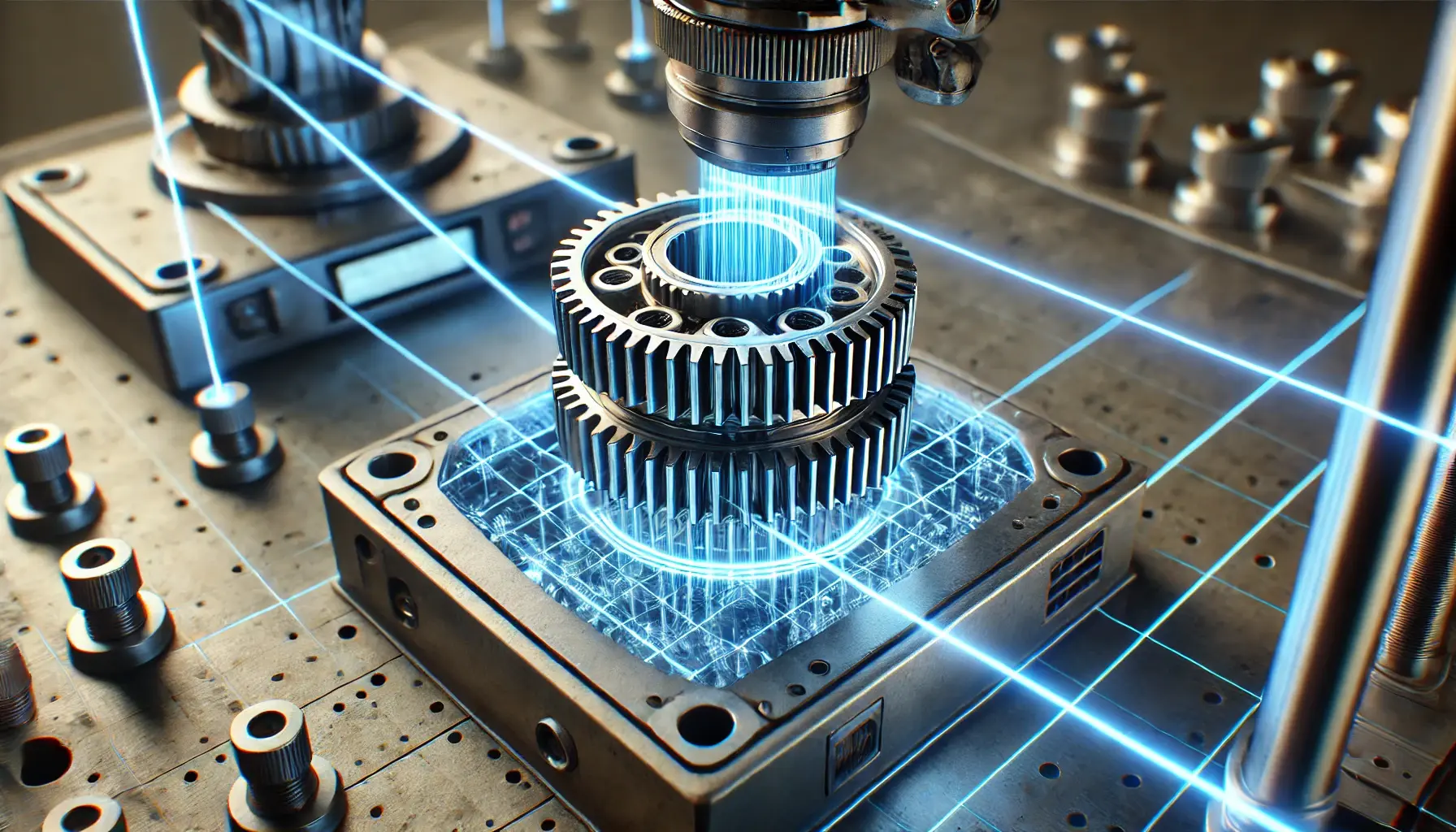
After scanning, the object is converted into a digital model ready for 3D printing. The 3D printing process builds the object layer by layer, creating a physical object that is identical to the digitized model.
Applications of 3D Scanning and Printing
3D scanning and printing are used in many different industries. Here are some of the most common uses:
- Product development: Companies use 3D scanning and printing to create prototypes and test products before they go to market.
- Medical sector: 3D scanners are used to create accurate models of body parts, which is crucial for surgical planning and prosthetic making.
- Art and design: Artists and designers use 3D scanning and printing to create complex and personalized works of art and objects.
- Heritage Preservation: Historical artifacts can be digitized and replicated using 3D scanning, preserving these precious objects for future generations.
Benefits of 3D Scanning and Printing
The use of 3D scanning and printing offers numerous advantages over traditional production processes:
- Rapid Prototyping: Speeds up the design process and saves time and costs.
- Customization: Ability to create customized and personalized products.
- Cost savings: Less material waste and no expensive molds required.
- Replication of Complex Objects: Detailed and accurate reproduction of complex structures.
Challenges and Limitations
Although 3D scanning and printing offers many advantages, there are also some challenges and limitations:
- Cost: The initial investment in 3D scanners and printers can be high.
- Quality: The quality of printed objects depends on the equipment and materials used.
- Complexity: Scanning and printing complex objects often requires advanced technology and expertise.
- Material selection: Not all materials are suitable for every application, which makes the choice of the right printer and materials crucial.
Industries That Benefit from 3D Scanning and Printing
Several industries benefit greatly from the possibilities offered by 3D scanning and printing:
- Automotive: Creates prototypes and custom parts, improves production processes.
- Aerospace: Uses 3D printing to make lightweight, complex parts, which helps improve fuel efficiency.
- Fashion: Designs personalized clothing, shoes and accessories.
- Architecture: Builds detailed models and visualizes designs.
Choosing the Right Technology for 3D Scanning and Printing
When choosing the right technology for 3D scanning and printing it is important to consider:
- Scanning capabilities: Choose a scanner with the right resolution and scanning capabilities for your needs.
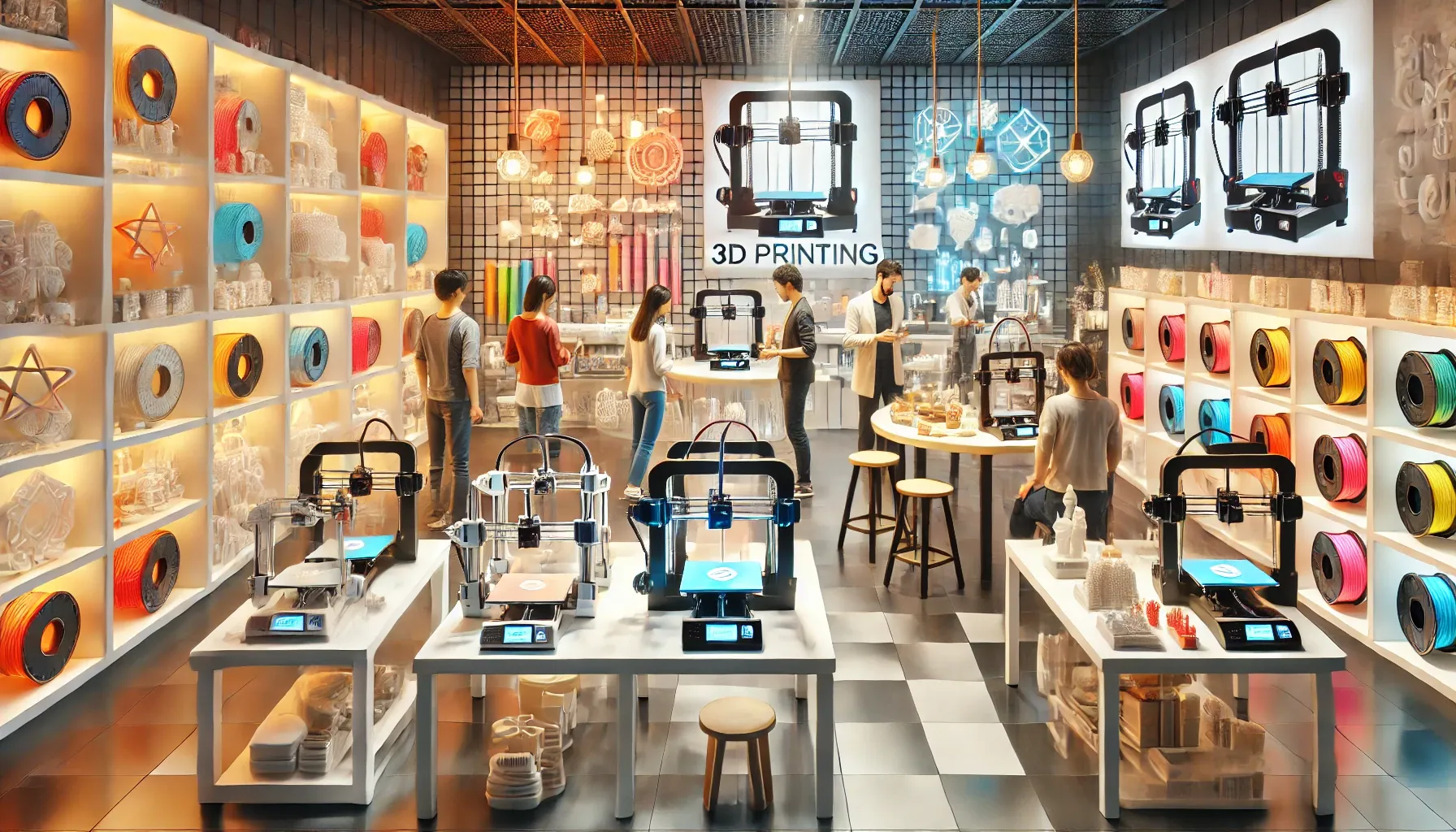
- Printing options: Consider which 3D printer best suits your projects, such as FDM, SLA or SLS.
- Materials: Make sure the printer is compatible with the materials you want to use.
- Budget: Set a realistic budget and look for the best value for money.
Step-by-step plan for successful 3D scanning and printing
Do you want to start with 3D scanning and printing? Follow this step-by-step plan to get started successfully:
- Research: Explore the possibilities of 3D scanning and printing.
- Training: Take courses to build the necessary skills.
- Equipment: Choose the right scanners and printers for your projects.
- Practice: Start with small projects to gain experience.
- Networking: Connect with other industry professionals.
Tips for Successful 3D Scanning and Printing Projects
To achieve successful results in 3D scanning and printing projects, here are some tips:
- Proper Preparation: Make sure the object is clean before scanning.
- High Quality Materials: Invest in quality printing materials.
- Experiment with Settings: Test different settings to achieve the desired result.
- Learn from Others: Share experiences and learn from other professionals.
Conclusion: The Future of 3D Scanning and Printing
3D scanning and printing have the potential to completely transform the way we create and produce objects. With a wide range of applications and benefits, this technology will have a major impact on various industries and our daily lives. Whether you're an artist, engineer, or just curious about the possibilities of 3D scanning and printing, this technology offers a world of opportunities. Dive into the magic of 3D scanning and printing and discover how you too can change the world with this powerful technology.
An article by RezScale3D. Discuss the requirements of your own design via our contact page.