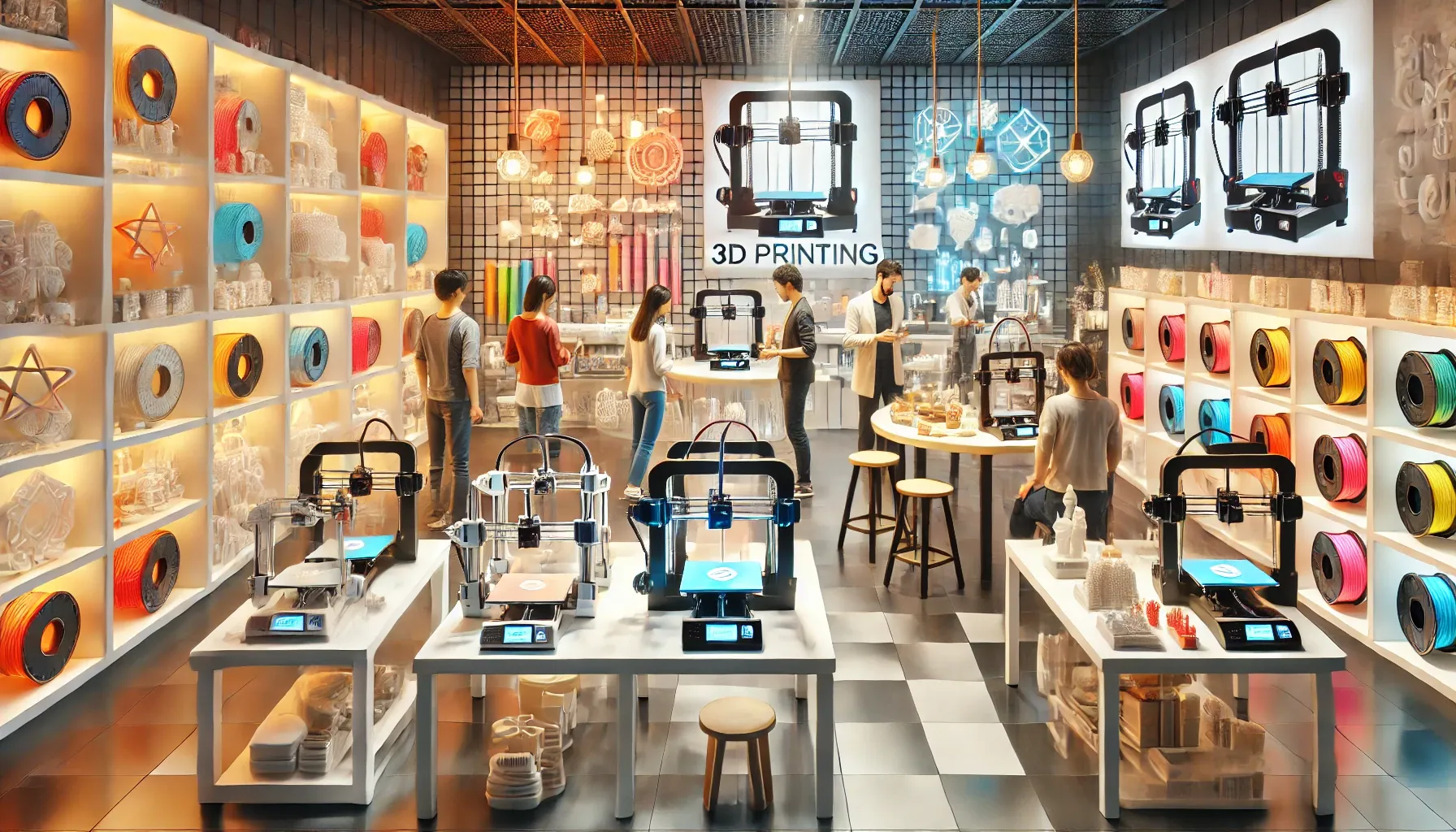
What is the Future of the 3D Printer? A Look at Innovation, Robotization and AI
Welcome to the future of technology, where 3D printing is no longer a novelty, but a fundamental part of our daily lives and industry. The 3D printer has already proven to be a powerful tool for innovation and creativity, but what does the future hold for this versatile technology? In this blog we explore the possible future scenarios of 3D printing, the role of new technologies, robotization, and the influence of artificial intelligence (AI).
Will We Use 3D Printing Later?
The question of whether we will still use 3D printing in the future can be answered with a resounding "yes". 3D printing is not a passing trend, but a technology that is increasingly integrated into various sectors. Here are some reasons why 3D printing is here to stay:
- Industrial Use:
- 3D printing is playing an increasingly important role in industry. Companies use 3D printers to create prototypes, which shortens development cycles and saves costs. In sectors such as aerospace, automotive and medical applications, more and more end products and components are being printed due to the precision and customization options that 3D printing offers.
- Consumer market:
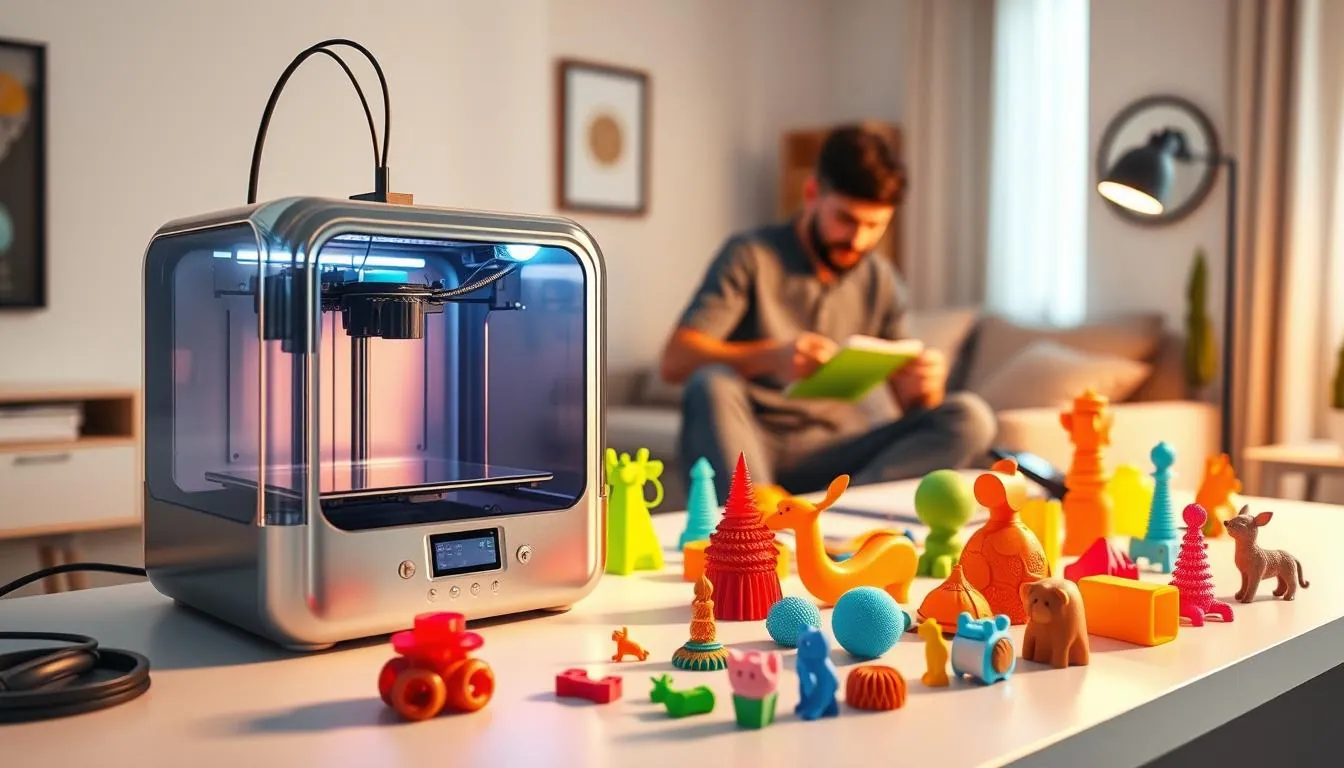
- 3D printers are becoming increasingly accessible to consumers. From creating personal gadgets and jewelry to printing replacement parts for home appliances, the possibilities are endless. This ensures that more people come into contact with 3D printing and integrate the technology into their daily lives.
- Education and Research:
- In education, 3D printing is increasingly used as a tool to teach STEM (Science, Technology, Engineering, and Mathematics) subjects. Students not only learn about the technology itself, but also use 3D printers to develop creative and practical skills. Research institutions use 3D printing to create complex models and tools that would otherwise be difficult or impossible to produce.
- Medical Applications:
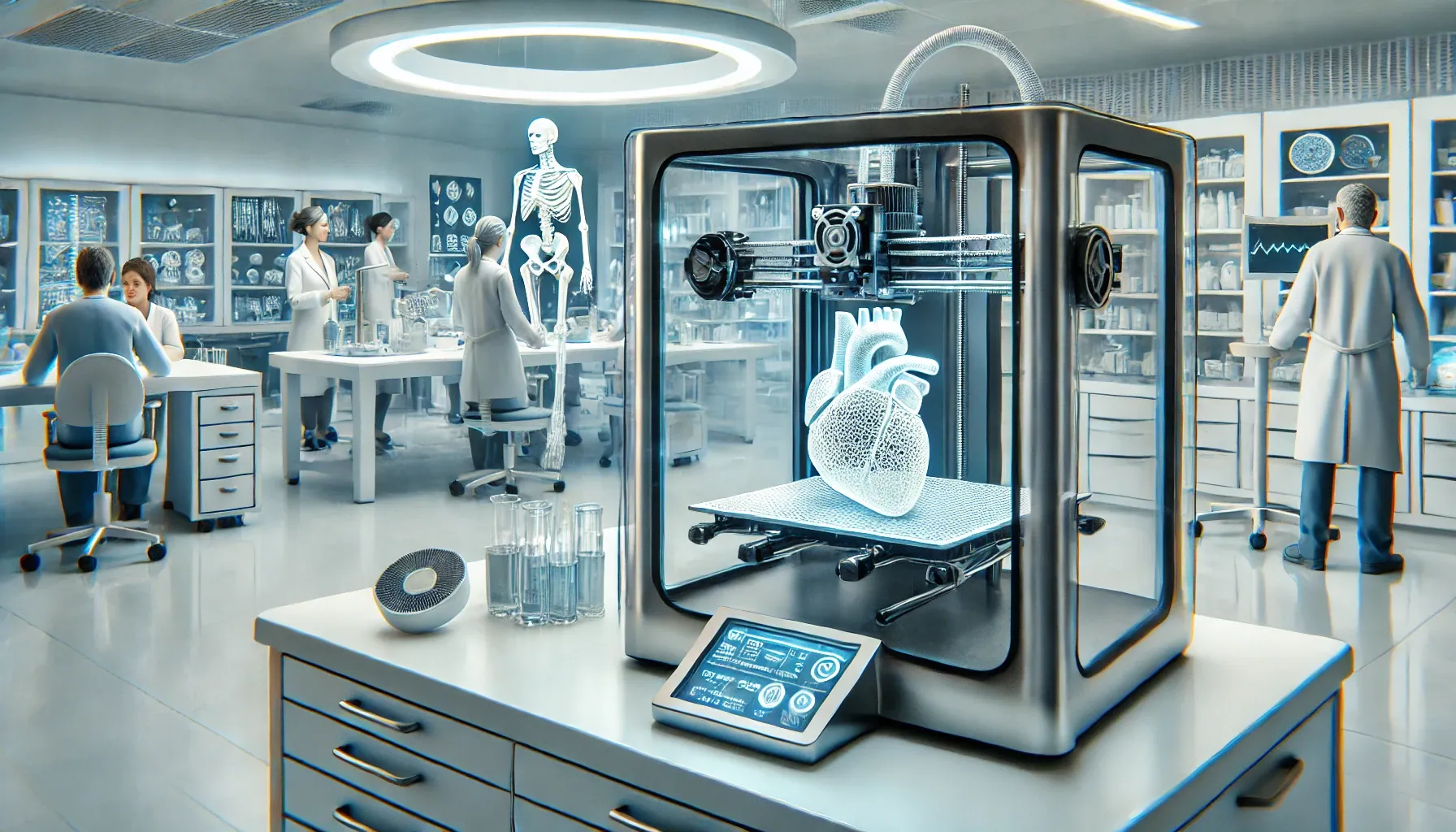
- The medical world benefits enormously from 3D printing. From personalized prosthetics and implants to bioprinting of tissues and organs, the applications are revolutionary. The ability to create customized medical solutions that perfectly fit the needs of individual patients is a huge step forward in healthcare.
Are There New Technologies and Techniques?
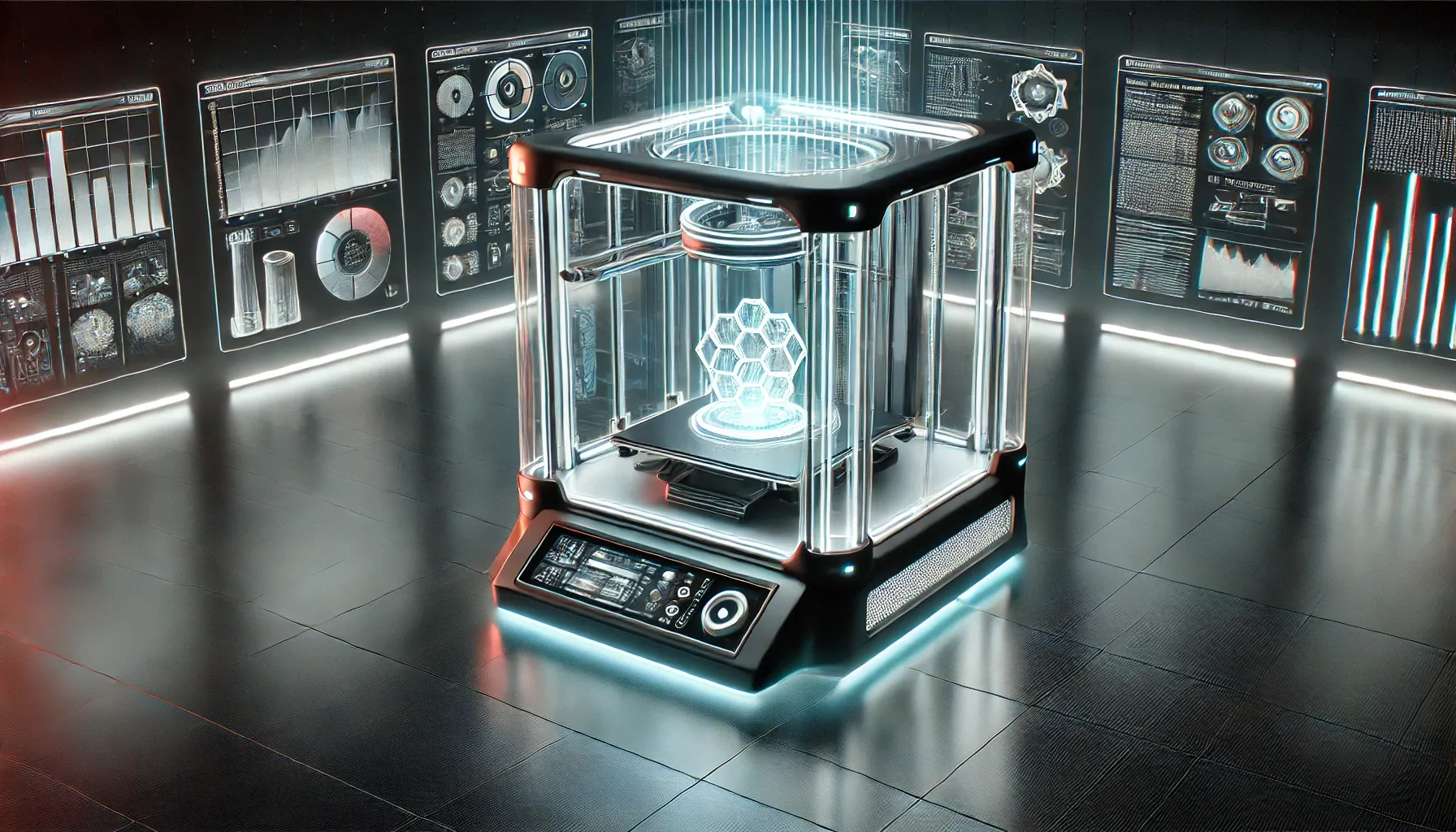
Yes, the world of 3D printing does not stand still. Innovations and new techniques continue to develop, making 3D printing more efficient, versatile and accessible. Here are some of the emerging technologies and techniques shaping the future of 3D printing:
- Continuous Liquid Interface Production (CLIP):
- CLIP is a revolutionary 3D printing technique that uses a continuous light process to print objects much faster than traditional methods. Instead of printing layer by layer, the object is formed through a process of continuous curing, resulting in stronger and smoother end products.
- Multi-Material 3D Printing:
- The ability to combine multiple materials in one printing process opens the door to even more complexity and functionality in printed objects. This makes it possible to create products that require both stiffness and flexibility, or to integrate different colors and textures in one print.
- 4D Printing:
- 4D printing is an emerging technology in which 3D printed objects can change shape or properties in response to external stimuli such as temperature, light or humidity. These self-transforming materials have potential applications in fashion, architecture and even space travel.
- Bioprinting:
- Bioprinting is already being used to print simple tissues, but the technology continues to evolve. In the future, organ printing could become possible, where complex, functional organs are printed for transplantation, which would revolutionize the medical sector.
- Nanoprinting:
- Nanoprinting makes it possible to print extremely small structures with high precision. This could have applications in electronics, medicine and materials science, such as in the production of nanoelectronics or advanced sensors.
Is This Robotized?
Robotization and automation play a crucial role in the future of 3D printing. Integrating robots into the 3D printing process can increase efficiency, shorten production times and reduce costs. Here are some ways robotics will impact 3D printing:
- Automated Assembly:
- Robots can automate the 3D printing process, from preparing the printer to removing and assembling printed parts. This reduces human intervention and enables mass production while maintaining precision and consistency.
- Collaboration with 3D Printers:
- Collaborative robots (cobots) can work together with 3D printers to perform complex tasks such as removing support structures, assembling multiple parts, or performing finishing processes such as sanding and painting.
- Large Scale Production:
- Large-scale 3D printers can take advantage of robots capable of printing large structures or even constructing entire buildings. These robots can be deployed on construction sites to print houses and other structures directly on site, saving time and costs.
- Flexible Production Lines:
- Robots can be quickly reconfigured to print different products, providing flexibility in the production line. This makes it possible to quickly respond to changing market demands and create personalized products without extensive adjustments to the hardware.

Will AI influence this later, or can AI help?
Artificial intelligence (AI) has the potential to take 3D printing to the next level by optimizing processes, improving design quality and predicting performance. Here are some ways AI can impact 3D printing:
- Design Optimization:
- AI can help optimize 3D models to minimize material use, maximize strength and reduce print times. Using generative design, AI can create complex structures that would otherwise be unthinkable, with a perfect balance between functionality and aesthetics.
- Quality Control:
- AI can perform real-time quality control during the printing process. Using sensors and machine learning algorithms, AI can detect anomalies, predict errors and adjust the process to ensure that every printed object meets the highest standards.
- Predictive Maintenance:
- AI can aid in predictive maintenance of 3D printers by analyzing data and recognizing patterns that indicate potential problems. This ensures less downtime and a longer lifespan of the machines, which is essential for production environments.
- Automated Workflow:
- AI can automate the workflow of 3D printing, from design to post-processing. By coordinating tasks and streamlining processes, AI can increase efficiency and reduce turnaround time. This is especially useful in an industrial context where speed and precision are crucial.
- Innovation and Creativity:
- AI can serve as a partner in innovation, discovering new possibilities and providing creative solutions to complex design problems. By working together with designers and engineers, AI can contribute to groundbreaking innovations in various sectors.
- Material Development:
- AI can be used to develop and test new materials for 3D printing. Through simulations and data analysis, AI can help identify optimal material compositions that deliver better performance and are more durable.
What Is the Future of 3D Printing?
The future of 3D printing looks promising, with continued innovations and improvements increasingly integrating the technology into our daily lives and various industries. From new printing techniques and advanced materials to robotization and the influence of AI, the possibilities are endless. As 3D printing continues to evolve, we can look forward to a world where manufacturing is faster, more efficient and more personalized than ever before. Keep your eyes open for the latest developments, because the future of 3D printing is poised to transform our lives in ways we can barely imagine.
Why Wait? We will help you today!
At RezScale3D you discuss your design and material choice directly with us. Please contact us if you would like advice about your part.
An article by RezScale3D. Discuss the requirements of your own design via our contact page.